The Future of AI in Software Development
Technology
9-9-2024Artificial Intelligence (AI) is reshaping various industries, and software development is no exception. AI's integration into software engineering processes is rapidly changing the way developers create, manage, and deploy code. In this article, we will explore the current applications of AI in software development, its future potential, and the challenges it brings along.
AI-Assisted Code Generation
AI-powered tools like GitHub Copilot and OpenAI's Codex have already started helping developers write code faster. These tools assist with code completion, syntax suggestions, and even whole function generation by analyzing context and previous patterns.
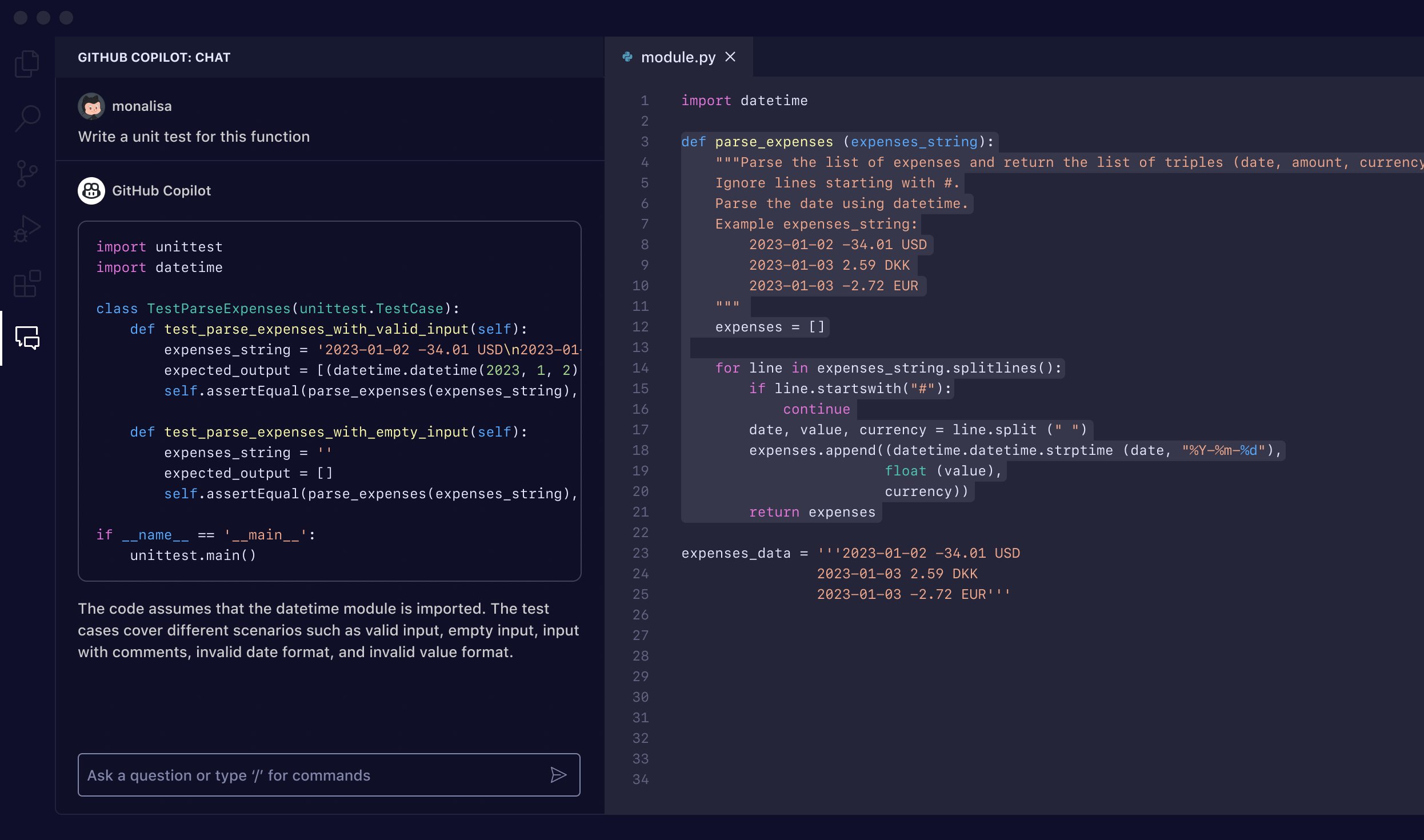
With time, AI could take on more complex tasks, automating repetitive and boilerplate code, allowing developers to focus on logic and innovation. Code generation is just the beginning—AI could eventually automate the entire process of code writing and maintenance.
Intelligent Debugging and Error Detection
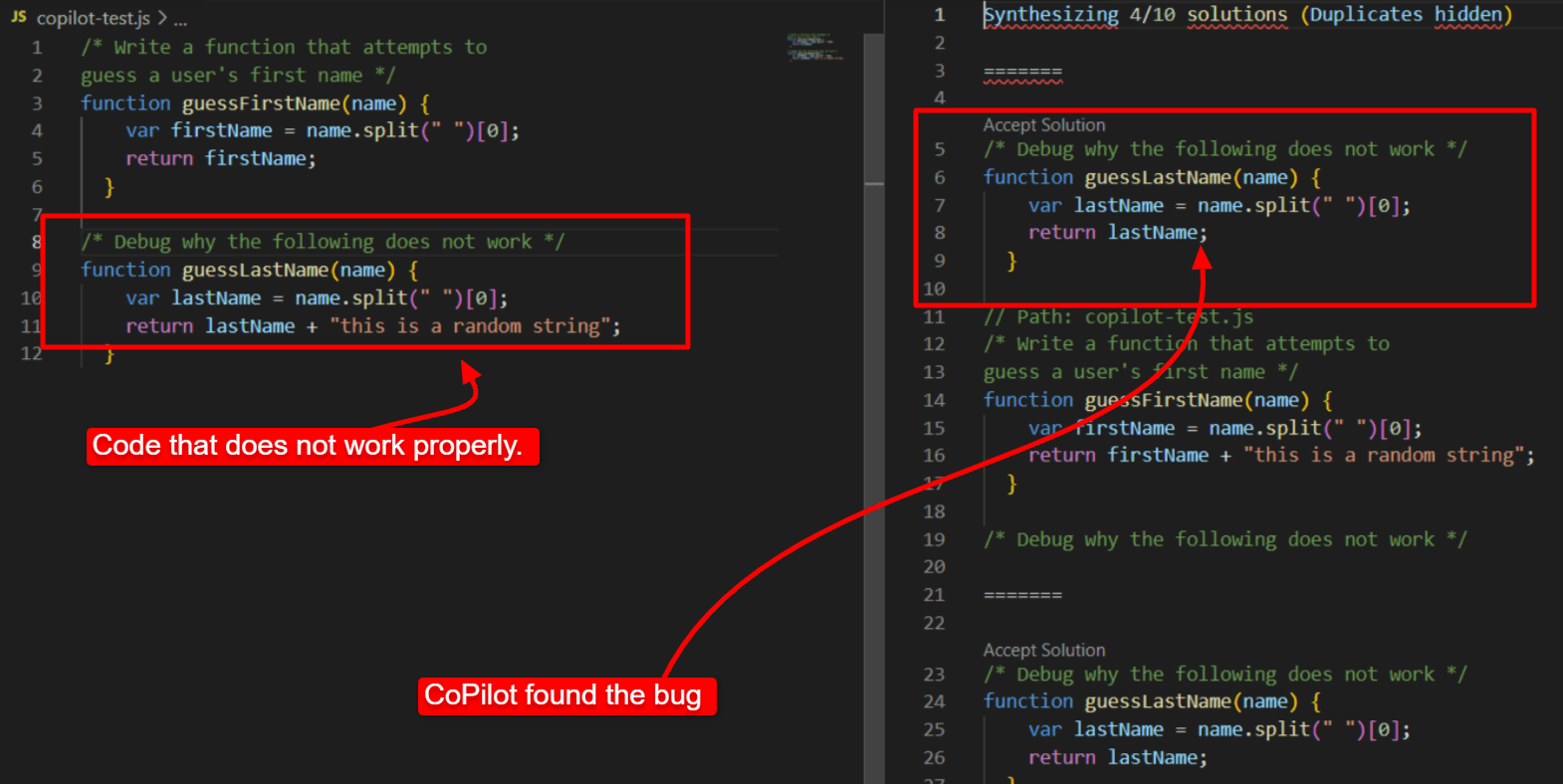
AI is transforming error detection and debugging by making it faster and more efficient. Currently, most debugging tools rely on static analysis or manually setting breakpoints, but AI can:
- Analyze logs in real-time to find common patterns in errors.
- Predict bugs before they occur by analyzing previous coding patterns.
- Recommend fixes based on historical data from similar codebases.
This is a significant step forward, reducing the time and effort required to identify and resolve bugs, especially in large and complex projects.
Automated Testing
Automated testing has been around for a while, but AI-driven testing tools are taking this a step further. AI can:
- Automatically generate unit, integration, and functional tests.
- Predict edge cases by analyzing the software’s functionality.
- Identify vulnerabilities that human testers may overlook.

AI in testing ensures that the software is rigorously tested, leading to fewer errors in production and faster development cycles.
AI in Software Design
AI has started impacting the design phase of software as well. By analyzing user interactions and feedback, AI can:
- Suggest improvements to user interfaces (UI).
- Automatically generate wireframes or mockups based on requirements.
- Optimize UX through behavior-driven recommendations.
This can be particularly useful for developers who need a quick way to visualize concepts or improve the end-user experience.
Predictive Analytics for Project Management
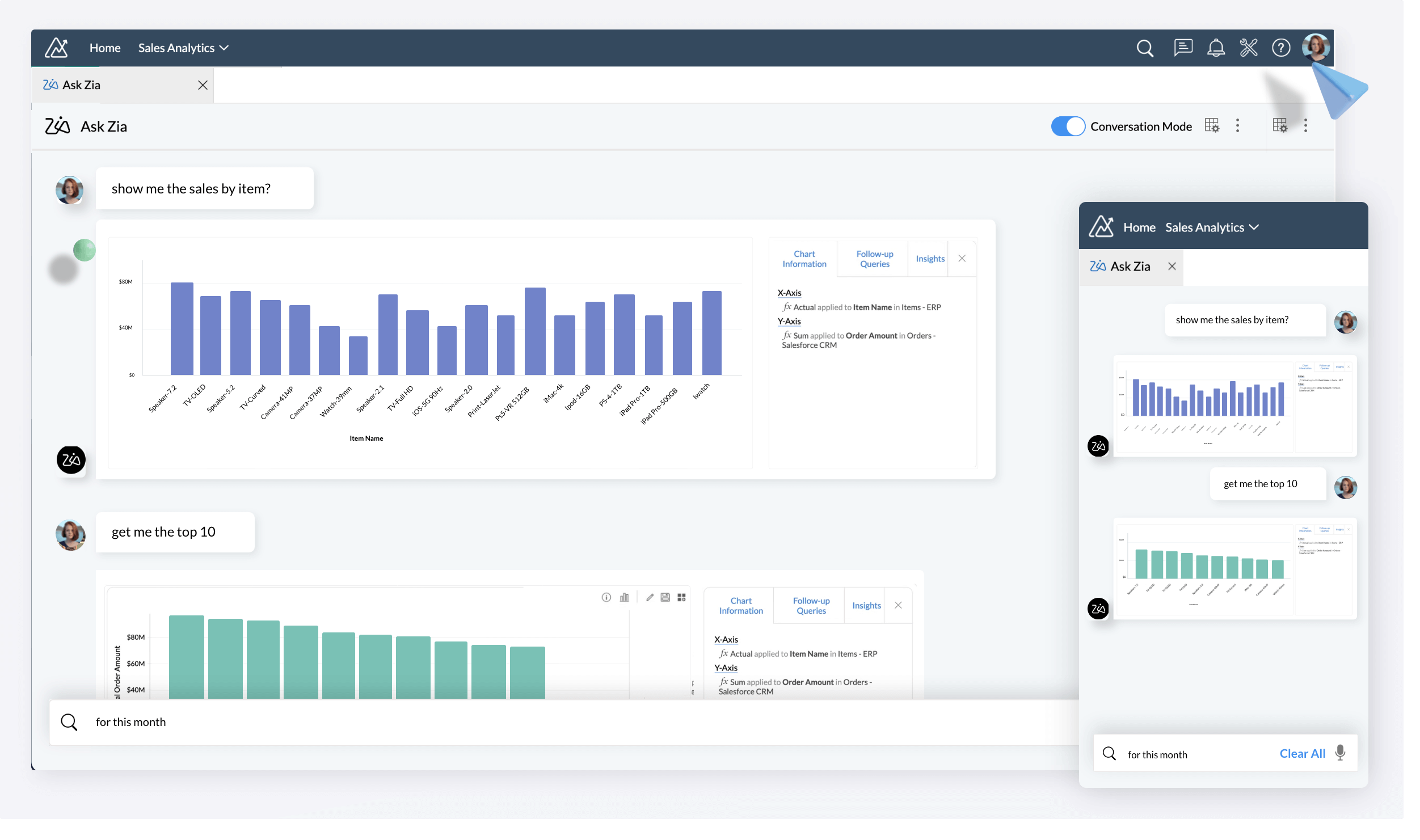
AI can provide predictive analytics to improve project management by:
- Forecasting deadlines based on current team performance.
- Identifying resource gaps before they cause delays.
- Predicting bottlenecks in development pipelines.
“AI-driven project management can help teams stay on track, ensuring projects are delivered on time and within budget.” – Tech Innovator, 2024
Challenges and Ethical Concerns
While AI promises significant advancements, it also presents some ethical concerns and challenges, including:
- Job displacement for junior developers who rely on writing repetitive code.
- Over-reliance on AI, which might lead to a decline in critical thinking and problem-solving skills.
- Bias in AI algorithms which could lead to biased code suggestions or even security vulnerabilities.
Future Prospects of AI in Software Development
In the future, AI could autonomously develop full-scale software systems based on minimal human input. Imagine AI systems that understand business needs and create software from scratch, from code to design, and even testing. This level of autonomy could revolutionize industries that rely on custom software solutions.
Conclusion
AI is set to play a transformative role in the future of software development. From automated code generation and intelligent debugging to predictive project management and AI-driven testing, the potential applications are endless. However, ethical considerations and challenges, such as job displacement and AI bias, must be addressed as AI becomes more integrated into development processes.
- AI-assisted coding will continue to evolve.
- Intelligent debugging tools will reduce error resolution time.
- Automated testing will ensure software quality.
- AI-driven project management will enhance delivery accuracy.
Links
For more on AI in software development, check out this article on AI in Coding.